
Your first patch in the browser
Patch a supplied homebrew ROM in your browser, then check the downloaded result. You need nothing but a browser: no install, no account, and no files of your own.
The sample files download automatically when you open the guide.
What you are about to do
A patch is a small file that describes changes to one exact version of a game. rom-weaver combines your game file and the patch into a new file, and leaves your original alone.
That is all you need to know to start. How patching works explains the rest once you have seen it happen.
Step 1: open the guided sample
Open guided Apply.
rom-weaver loads a tiny homebrew NES ROM and two patches written for this guide. Nothing is uploaded, and no commercial game data is involved.
Step 2: look at what loaded
The guide points at four parts of the Apply page. Look at each one before you touch anything.
- The ROM card shows the starting file and its checksums.
- The Patches cards show two independent changes. One changes
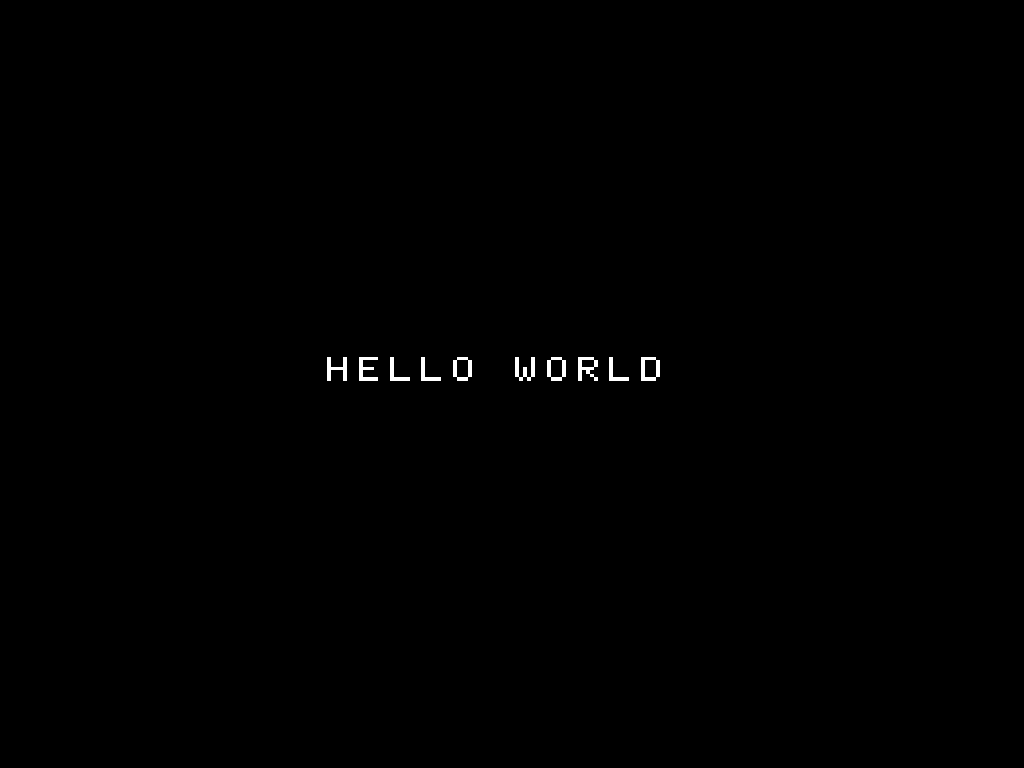
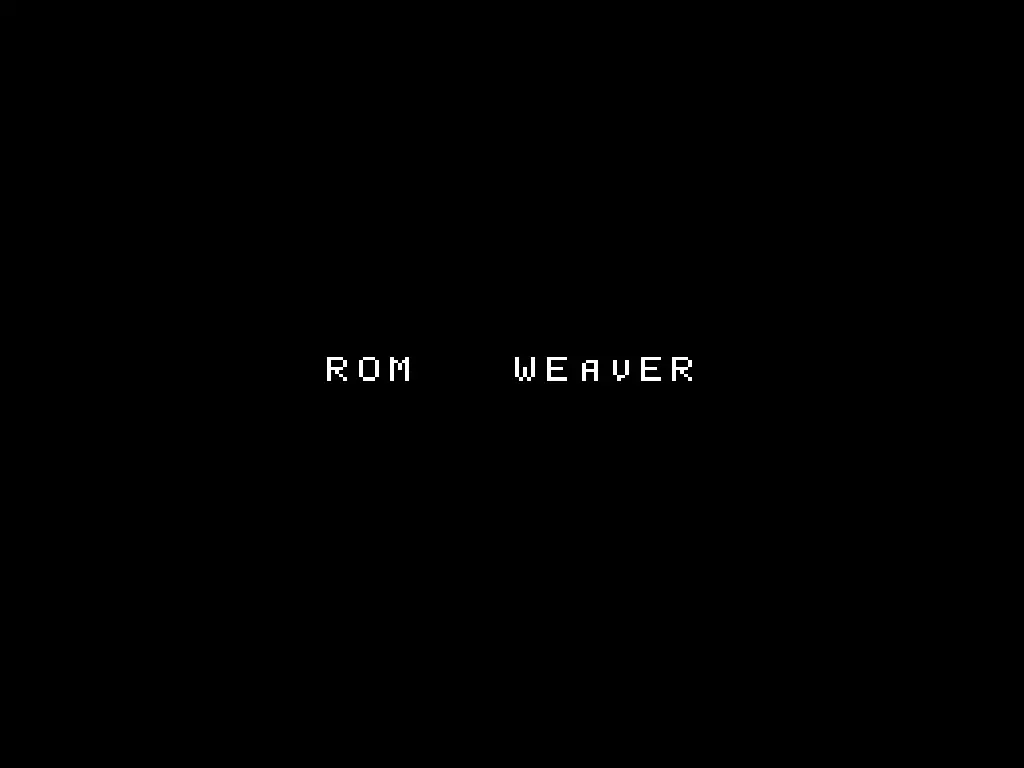
HELLOtoROM. The other changesWORLDtoWEAVER. - Add files is where more ROMs, patches, archives, or bundles would go. You do not need it here.
- Apply controls the output.
Step 3: apply the patches
In the Apply section, choose APPLY & DOWNLOAD.
Your browser downloads a new ROM. The sample ROM you started from is untouched.
Step 4: check that you got the right bytes
- Keep the downloaded ROM, then open a fresh Apply page.
- Add only the downloaded ROM and wait for checksumming to finish.
- Open Checks on its ROM card and compare its SHA-1 with the value below.
The finished sample displays ROM WEAVER. Its SHA-1 is:
844b844c845dc99aa4f13a83b6c9cf639684ae8a
For a tool that reports SHA-256, the same file has this value:
7ac8001dcbcbff45cd5cebb5b0655192021fbbdf27533aa961347194ab3e836e
A match checks that you downloaded the expected result. Checksums explains what this comparison establishes.
To see the sample files for yourself, choose Download a test bundle from the New here? beacon on the empty Apply page, or download first-weave.zip.
Step 5: try the other two samples
The same practice files drive two more guided runs:
- Guided Create makes a patch from two homebrew ROMs.
- Guided Bundle turns the Apply sample into a patch-only release archive.
These are optional follow-up exercises.
If something looked different
This tutorial is written against the guided sample, so the usual surprises have simple causes:
- The page was empty when it opened. The guide runs from the
?guide=applypart of the link. Open guided Apply again rather than the plain Apply page. - The button was greyed out. Every file has to finish reading and checksumming first. The notice nearest the disabled button always says what it is still waiting for.
- The patches were in the other order. That is valid for this sample. Both patches target the original ROM, so either order produces the same result.
- Your checksum did not match. Confirm you applied both patches and that you are hashing the downloaded file rather than the sample you started from.
None of these can damage anything here. The files are homebrew, and your input files are never modified - rom-weaver always writes a new one.
What you learned
You applied two independent patches, downloaded the result, and verified it with a checksum. You can also disable either patch and apply only the change you need. A real patch differs only in that you supply the game file.
Next
- Apply a ROM patch when someone hands you a real patch.
- How patching works for what a checksum proves and why the exact starting file matters.
- Your first apply in the terminal to do the same thing from a command line.